
What It Takes to Create a Seamless Indoor–Outdoor Living Space
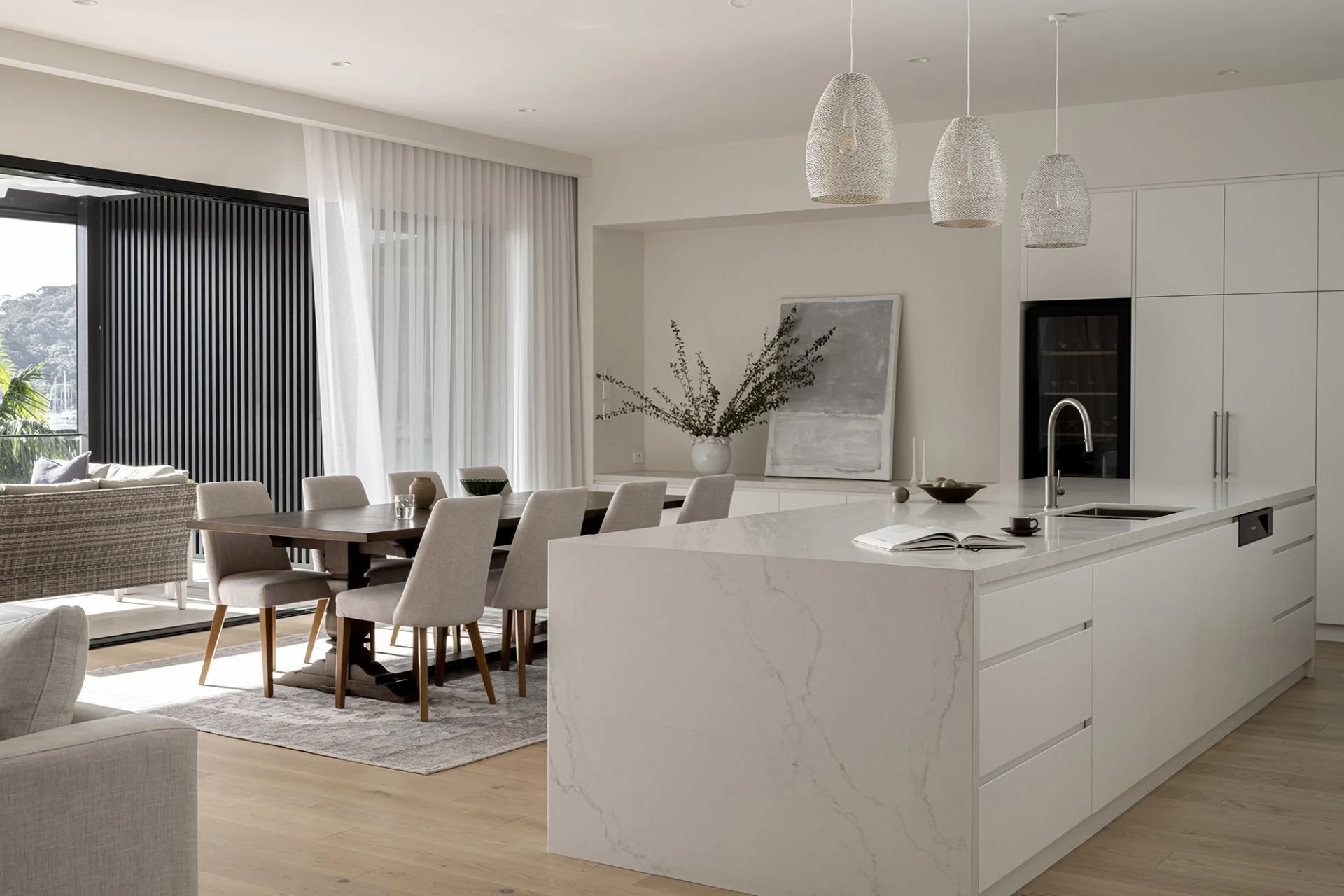
Houses that blur the lines between indoors and out are undeniably Australian. Spaces where slow mornings spill effortlessly onto sun-drenched decks, coffee in hand, with kookaburra’s laughing raucously in the distance. It’s the simple joy of connection, nature at your doorstep, family gathering around the open kitchen, friends lingering over lounge lunches in the alfresco dining area. These are the moments that shape the way we live, and we are seeing more homes embracing this way of living.
Indoor-outdoor living isn’t a design trend. It’s the result of meticulous planning, smart construction techniques and a deep understanding of how people on the Northern Beaches and North Shore want to live. The effortless flow is always intentional and behind every home is a team working to ensure each transition feels natural and beautifully cohesive. Here’s a look at what it takes to create a seamless indoor-outdoor living space.
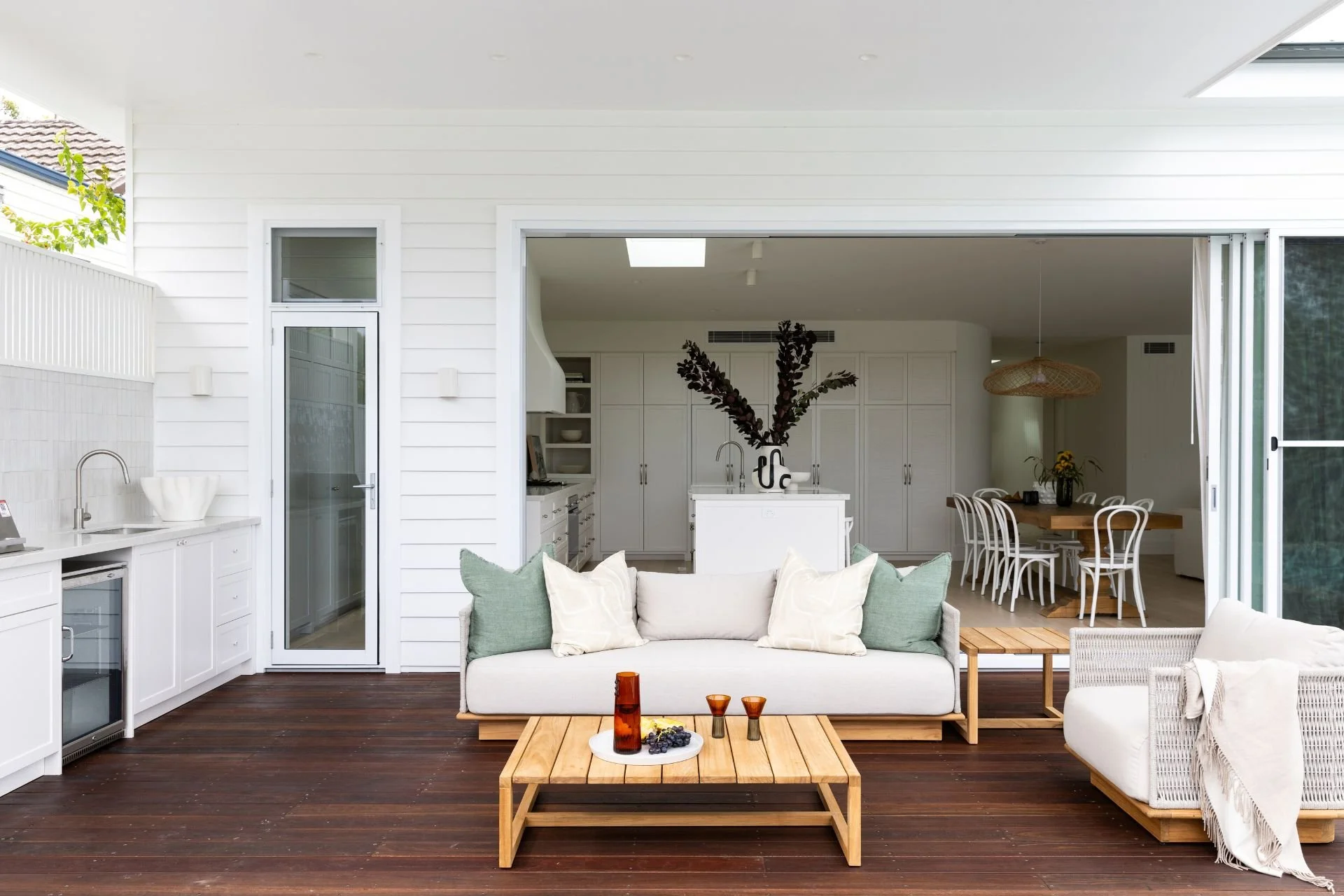
Indoor-outdoor living at our Avalon project.
1. It Starts with the Site
A harmonious indoor-outdoor experience begins long before any materials are selected. It starts with the land itself. Orientation, natural light, prevailing breezes, privacy and existing landscape features all influence how the home will unfold. At Stony Creek, we take time to understand the site so we can work with it. We want the living areas to be bathed in sunlights at the right moments, the outdoor spaces to feel sheltered and comfortable, and the views to be captured to their full advantage.
2. The Flow of the Floor Plan
When it comes to the floor plan, the layout needs to guide movement naturally from one area to the next, without interruption or any awkward transitions. This often means:
Positioning the main living, dining and kitchen areas adjacent to the outdoor entertaining areas.
Minimising hallways and unnecessary barriers.
Ensuring the alfresco space feels like an extension of the home, not an afterthought.
One of the most effective strategies is creating a central hub that anchors both the interior and exterior. When the heart of the home opens directly onto a deck, patio or pool area, the entire space feels instantly more connected and functional.
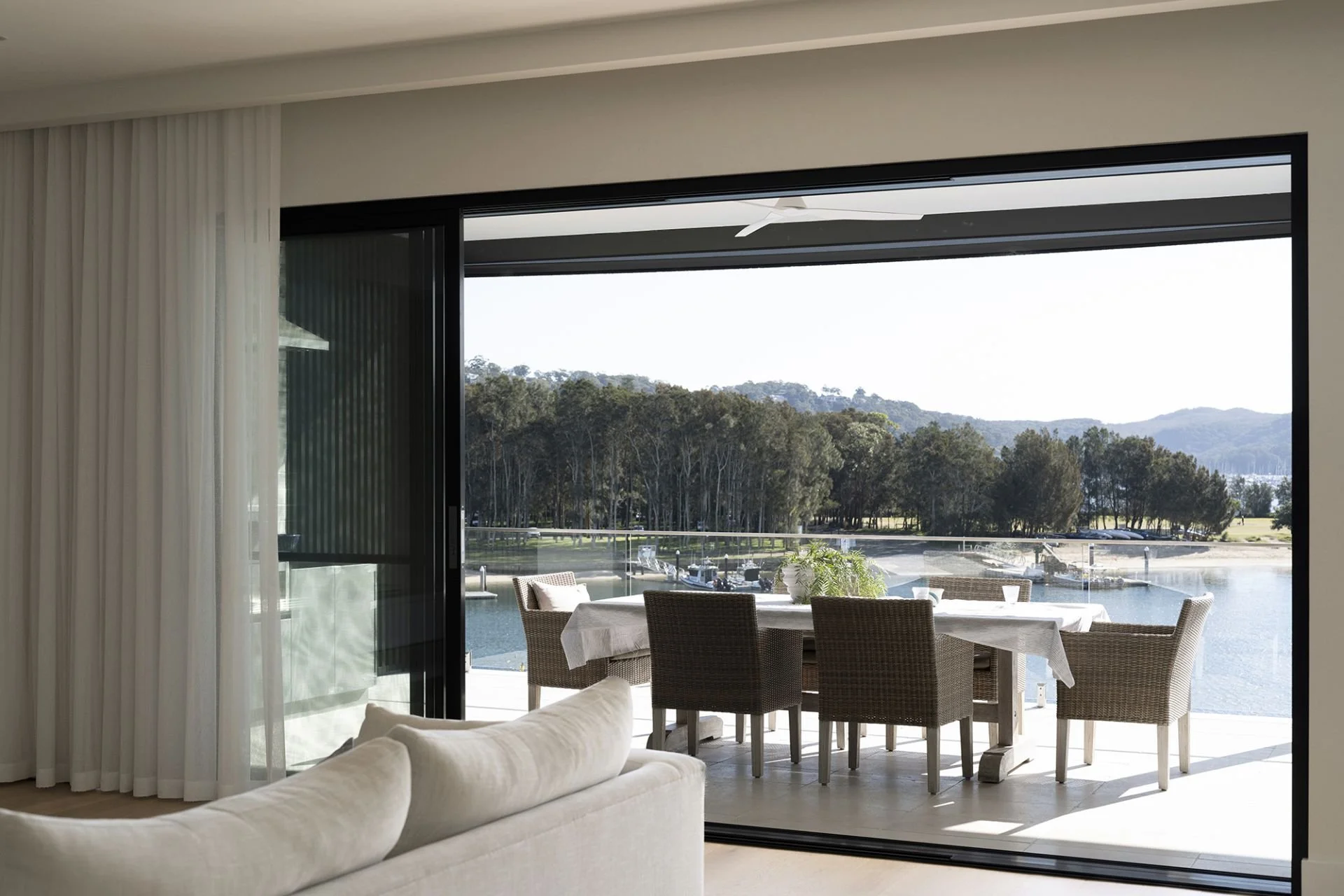
The view from our Mona Vale project.
3. The Power of Large Openings
Doors and windows play an important role merging the two spaces. Stacker doors, bi-folds and expansive sliding systems allow wide openings that dissolve the boundary between indoors and outdoors. Floor-to-ceiling glazing frames the landscape like artwork. Thoughtfully positioned highlight windows invite natural light further into the home, reducing the need for artificial lighting.
Beyond aesthetics, these features require skill and precision. Structural engineering, correct lintel sizing, weight-bearing considerations and high-quality hardware all ensure the movement feels smooth and the integrity of the build stands the test of time.
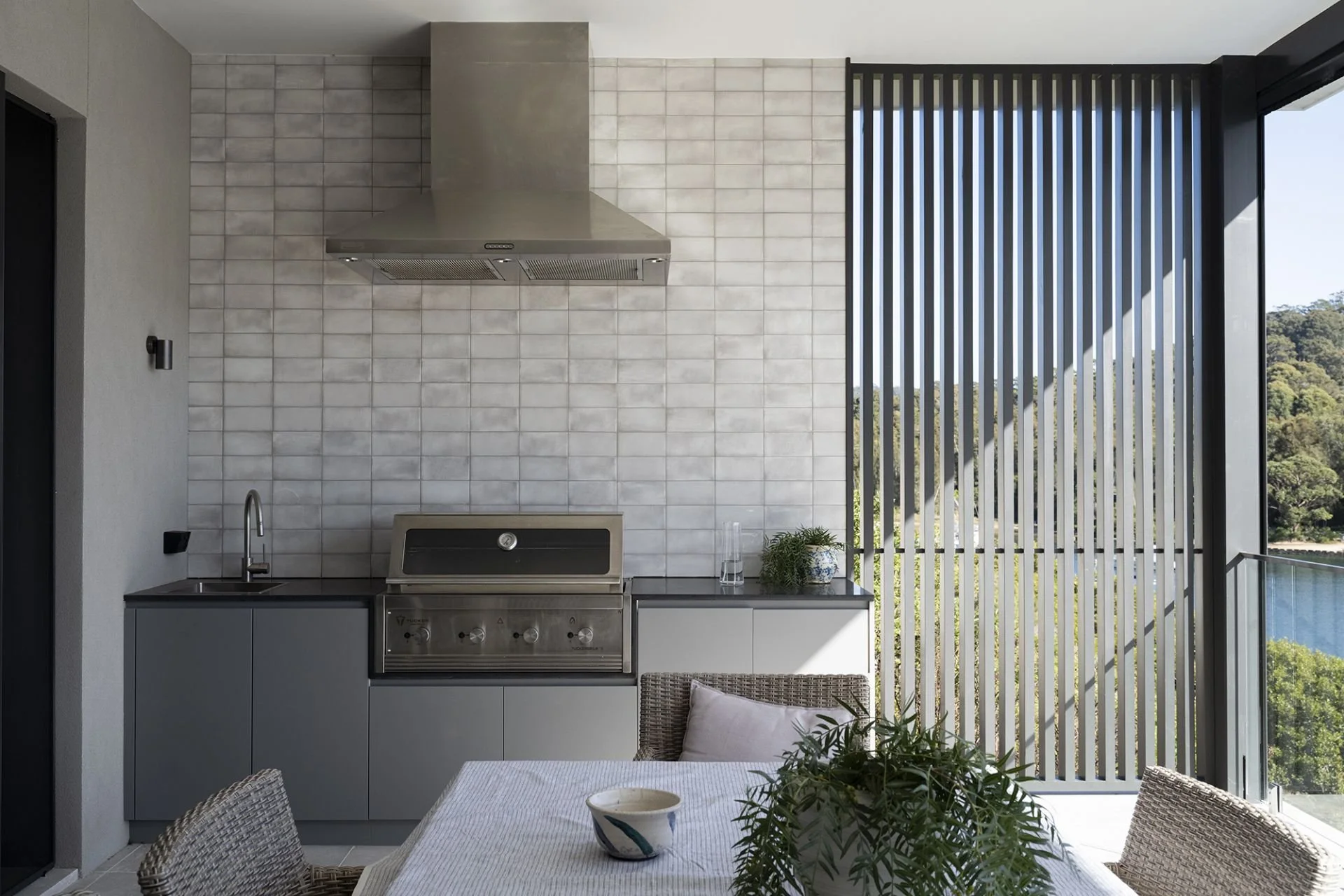
The alfresco space at our Mona Vale project.
4. Being Consistent with the Materials
True seamlessness is achieved when interiors and exteriors are tied together using consistent materials. This can include:
Continuing flooring materials such as polished concrete through the threshold.
Matching colour palettes for cabinetry, paint, cladding or stone.
Using similar textures to create cohesion.
However, durability is key, especially for coastal homes exposed to the harsh salty air. External materials must be able to withstand the elements while still complementing the interior choices. At Stony Creek, we carefully select and curate materials that are aesthetically pleasing, without compromising on performance.
5. Protecting the Transition Points
One of the biggest challenges in indoor-outdoor builds is managing the threshold where the two spaces meet. Key considerations for this area include:
Correct waterproofing and drainage systems.
Careful levelling of floors to create a smooth, trip free transition.
Insulation that maintains energy efficiency despite larger openings.
High-performance seals for doors and windows.
These technical details are what ensures the space will feel comfortable year-round.
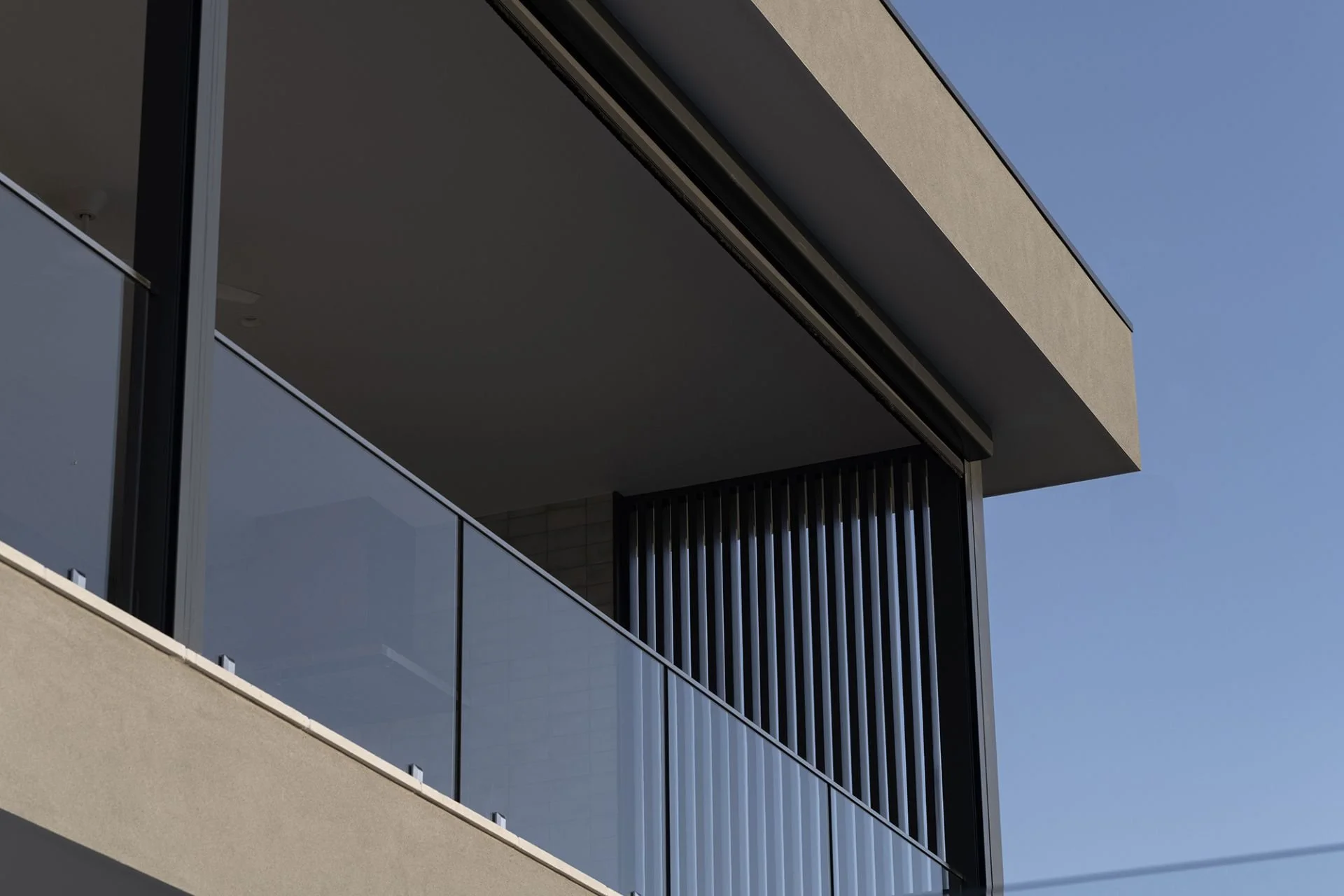
The outdoor space at our Mona Vale project is comfortable across all seasons.
6. Climate Control and Comfort
The success of the indoor-outdoor spaces depends on it being comfortable across all seasons. For the interior zones, glazing performance, cross-ventilation and smart shading reduce heat gain in summer while retaining warmth in winter. Outdoors, covered alfresco roofs, outdoor heaters, fans and screening options help create a versatile space you can enjoy no matter the weather.
Functionality is at the heart of every Stony Creek build. We are known for building liveable family spaces designed to be used and enjoyed every day.
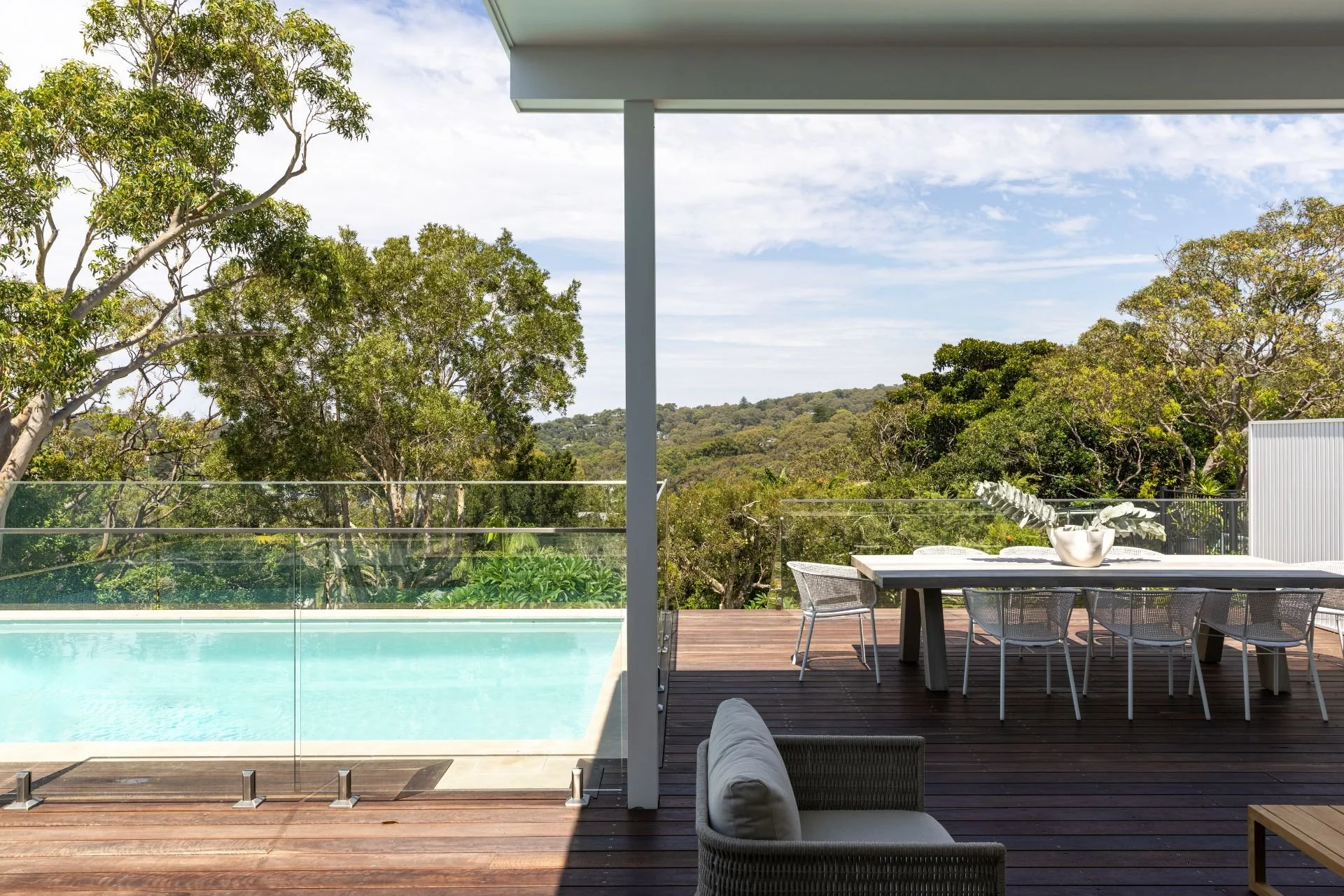
The outdoor space at our Avalon project.
7. Landscaping to Complete the Space
Indoor-outdoor living is considered complete when the landscaping supports the architecture. This can involve:
Integrating garden beds along edges to soften hard lines.
Choosing plants that thrive in the local climate.
Ensuring pathways, lighting and outdoor zones and positions to enhance usability.
Using natural elements like stone, timber and greenery to ground the space.
Well thought out landscaping results in an intentional, connected and immersive indoor-outdoor environment.
Creating an Indoor-Outdoor Living Space
Creating a seamless indoor-outdoor living space requires collaboration between designers, builders, engineers, landscapers and homeowners. Each plays an important role in shaping how the home feels and functions. We believe these spaces are more than architectural features. They're gathering points, quiet retreats, backdrops for everyday moments and the foundation for creating memories with the ones you love.
If you’re considering building on the Northern Beaches or North Shore and want to create a home where indoor-outdoor living becomes part of your lifestyle, reach out to our team. We’d love to help you build your dream home.